

Arriving at night yesterday, I hadn’t really seen Cologne. I’d raced from the train station, through darkened roads, towards a welcoming glass of wine, and a shower. This morning, before heading out for the days’ cycling, I would have a chance to explore the city a little more; cycling up the Rhine to the city center.
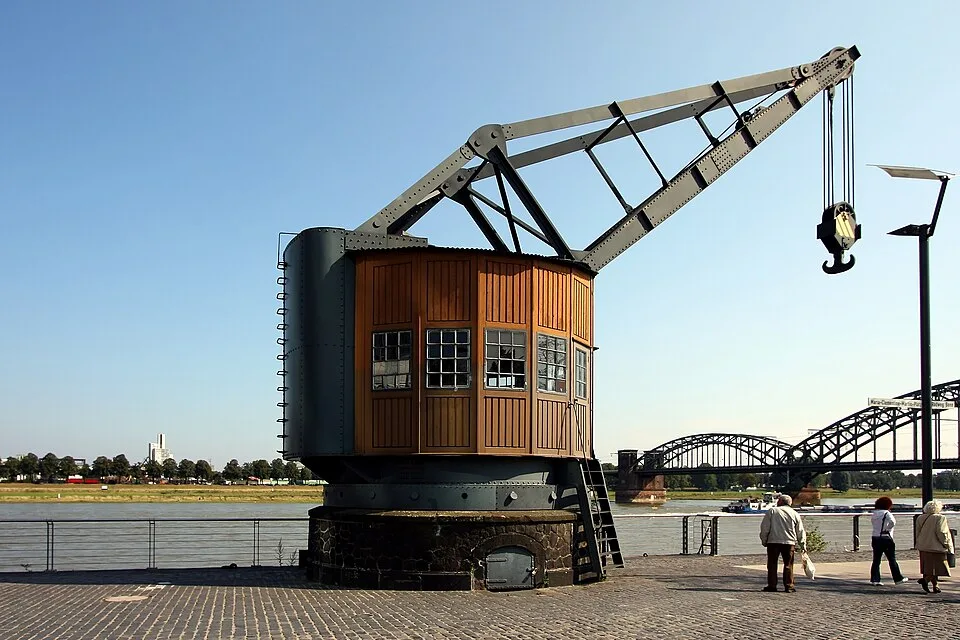
I find it fascinating to see what cities choose to preserve and use to tell their stories. In Paris, you’ll the impact of Baron Haussman who re-drew the city in the 1850s. You’ll see art and history museums that depict Paris as a center of culture for centuries, and if you look towards “La Defense” and you’ll see bold modern architecture pulling the city into the modern age. Cologne tells the story of a port city; old-fashioned cranes along the banks of the river tracing a story of commerce through the ages.
A kid in a candy store
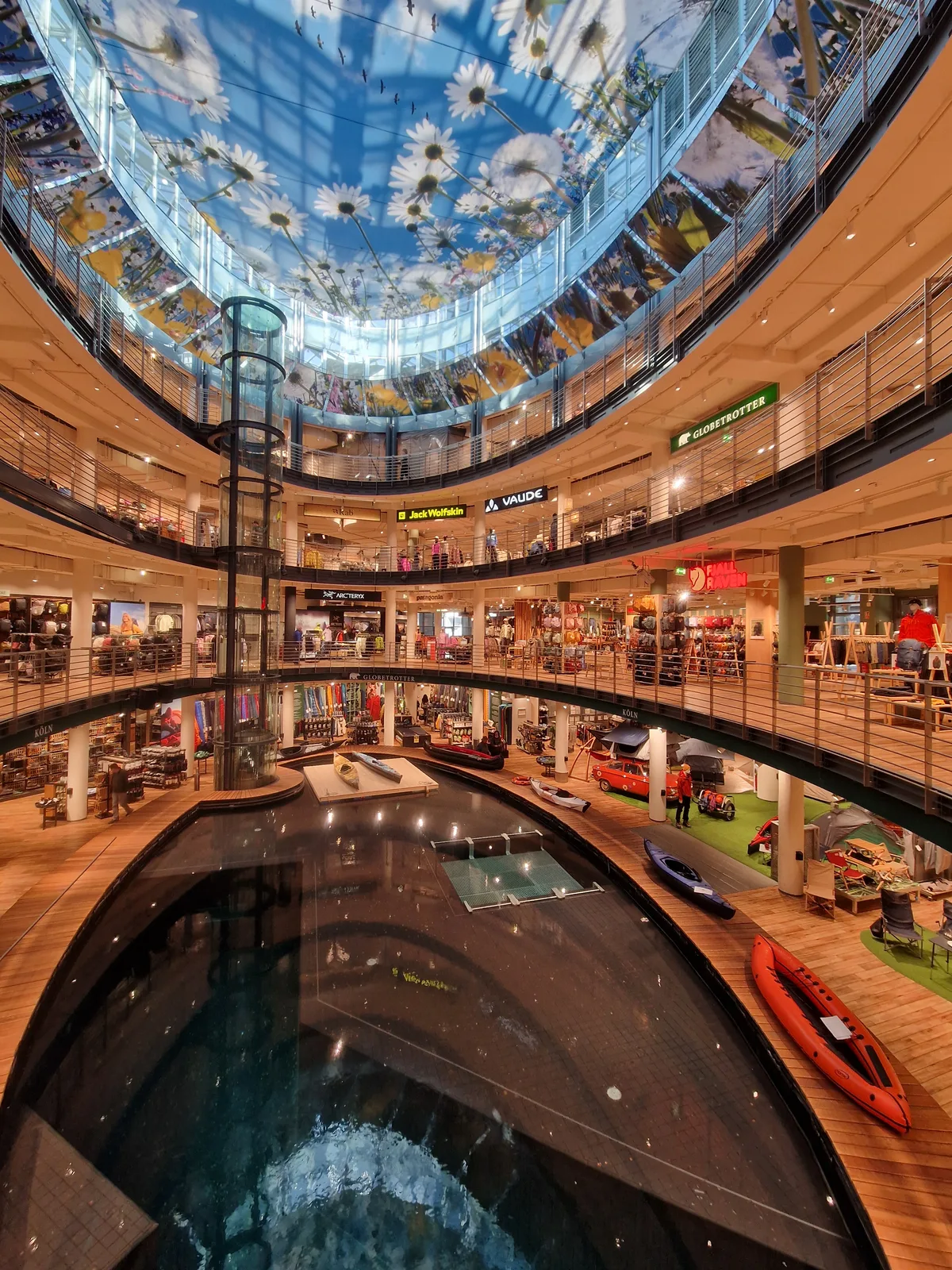
My priority for the morning wasn’t the history of the city though, it was GlobeTrotter! Maybe the best chain of outdoor stores in the entire world!
Do you want to buy a kayak? Here’s a pool for you to try it in.
Do you want to buy climbing shoes? Here’s a climbing wall for you to try them on!
I was an overstimulted child running around, looking at gear I wanted to need. 30 minutes later, and quite a bit poorer, I left, and started the day’s cycling in earnest.
To be fair, I did need some of my purchases. My underwear was getting thinner and thinner every day, I was looking for good merino socks, and a paid of cycling gloves to protect the scar on my hand; a permanent memory of a previous trip.
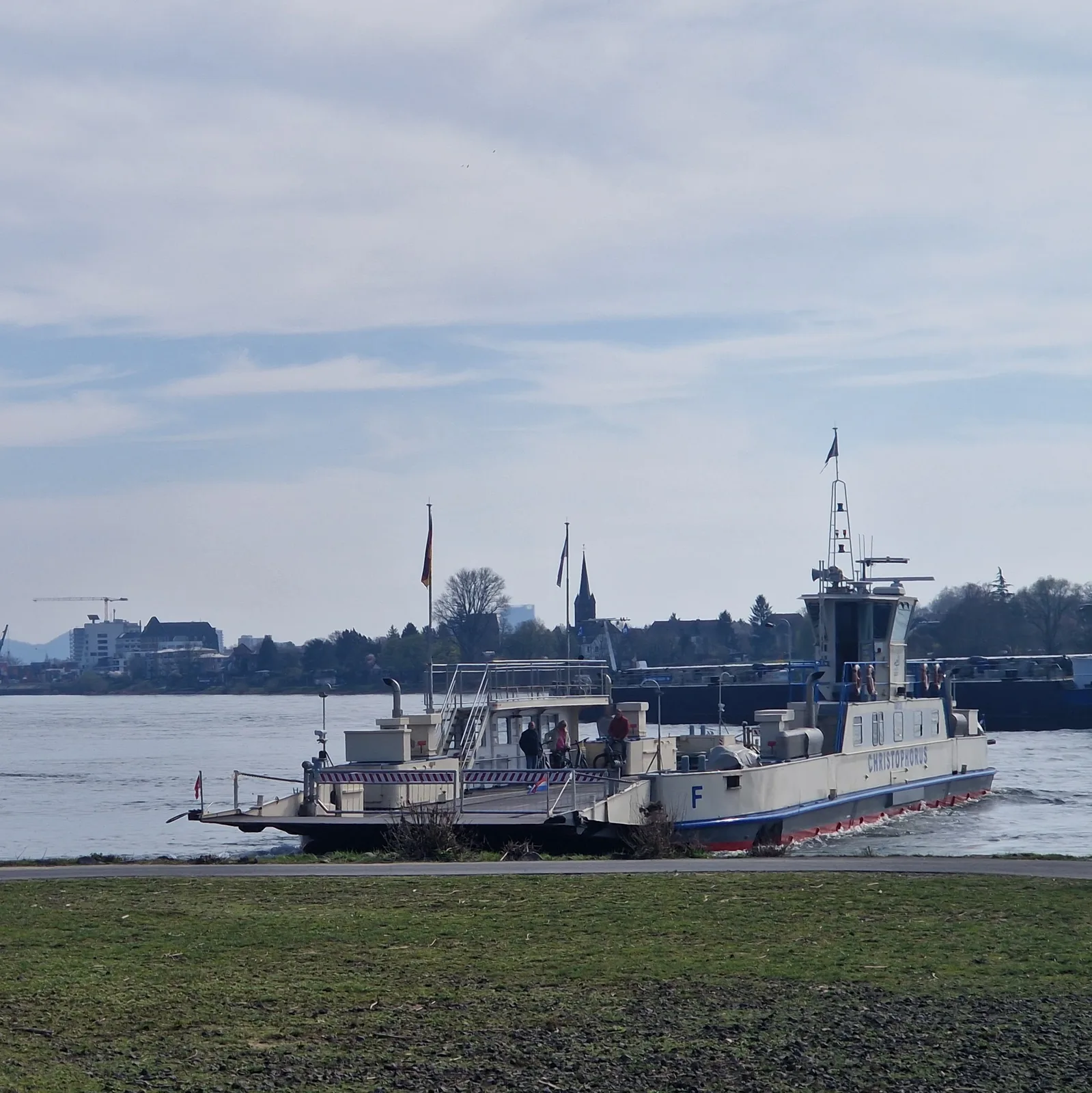
Industry clings on
Today, I would follow the Rhine to Koblenz. I had cycled up the western bank a few years ago, so naturally, I would cycle down the eastern bank this time.
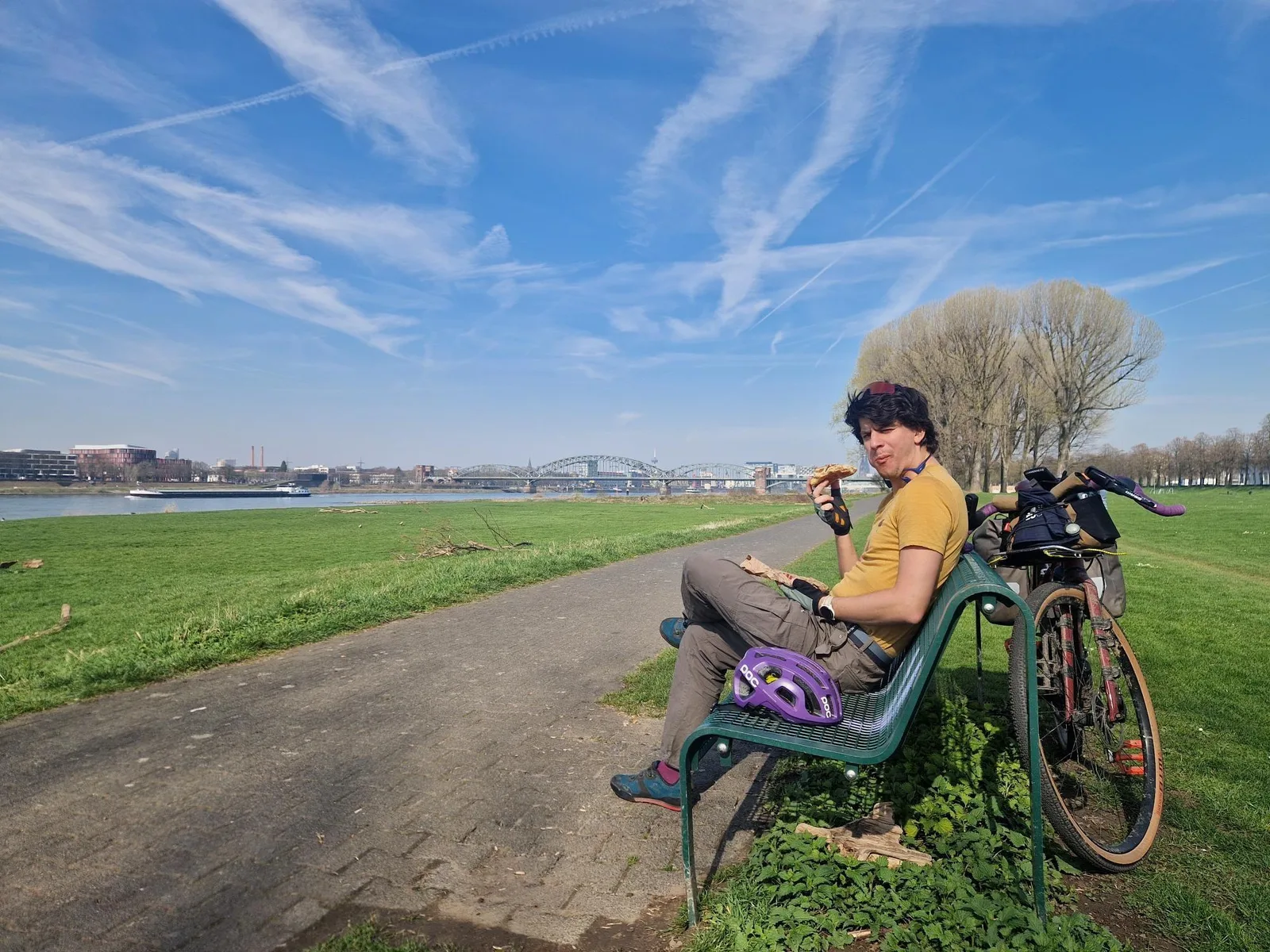
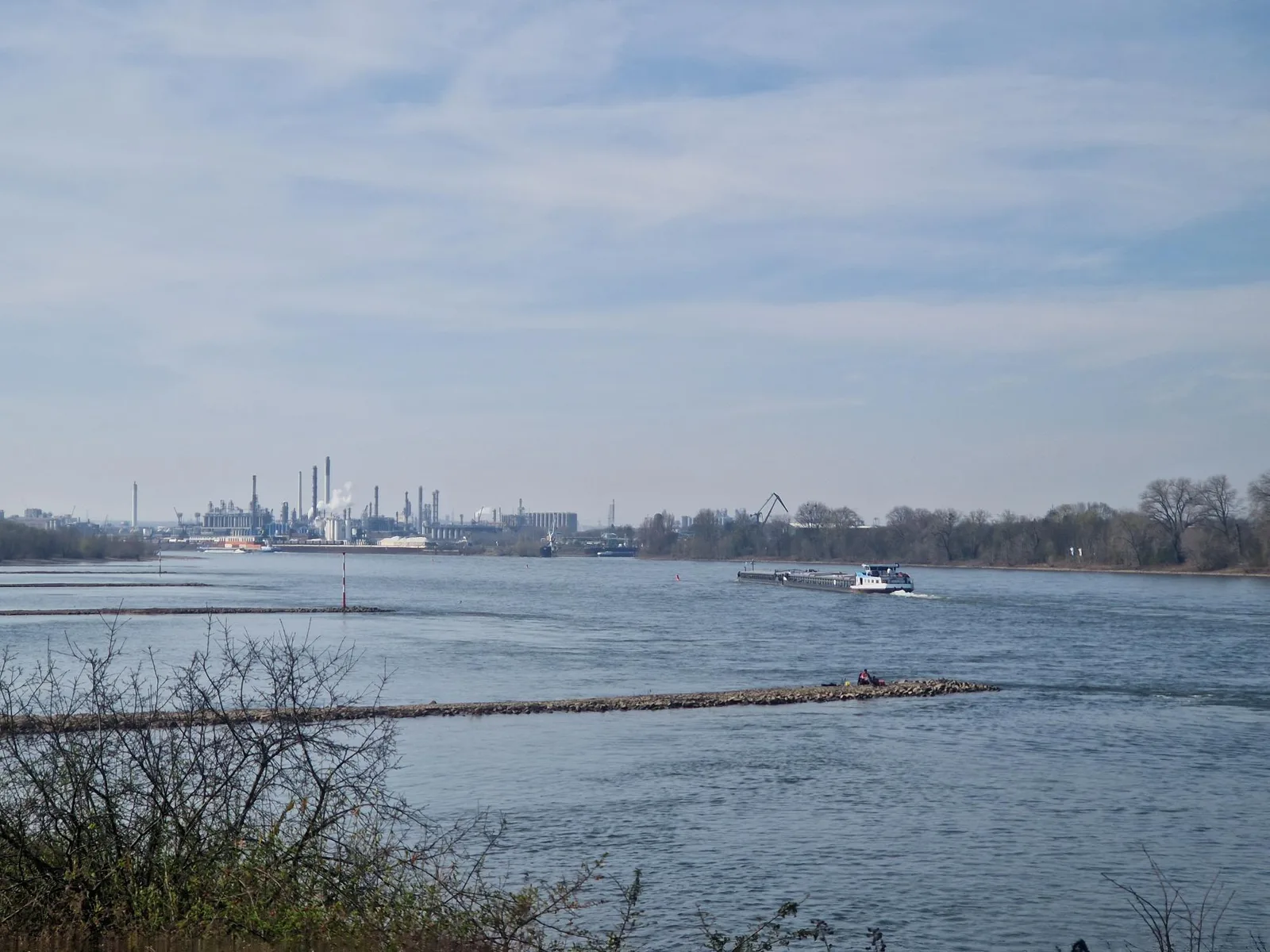
The first part of the journey was smooth, well maintained, cycleways along the river, occasionally dipping down to the banks, but often staying on-top-of, or behind, the dykes that protect the surrounding towns. But, however scenic the route might be, signs of industry are all around. From the rhythmic thumping of the engine of a barge gently gliding upriver, to the chimneys of a chemical plant behind the trees, modern society was never far away.
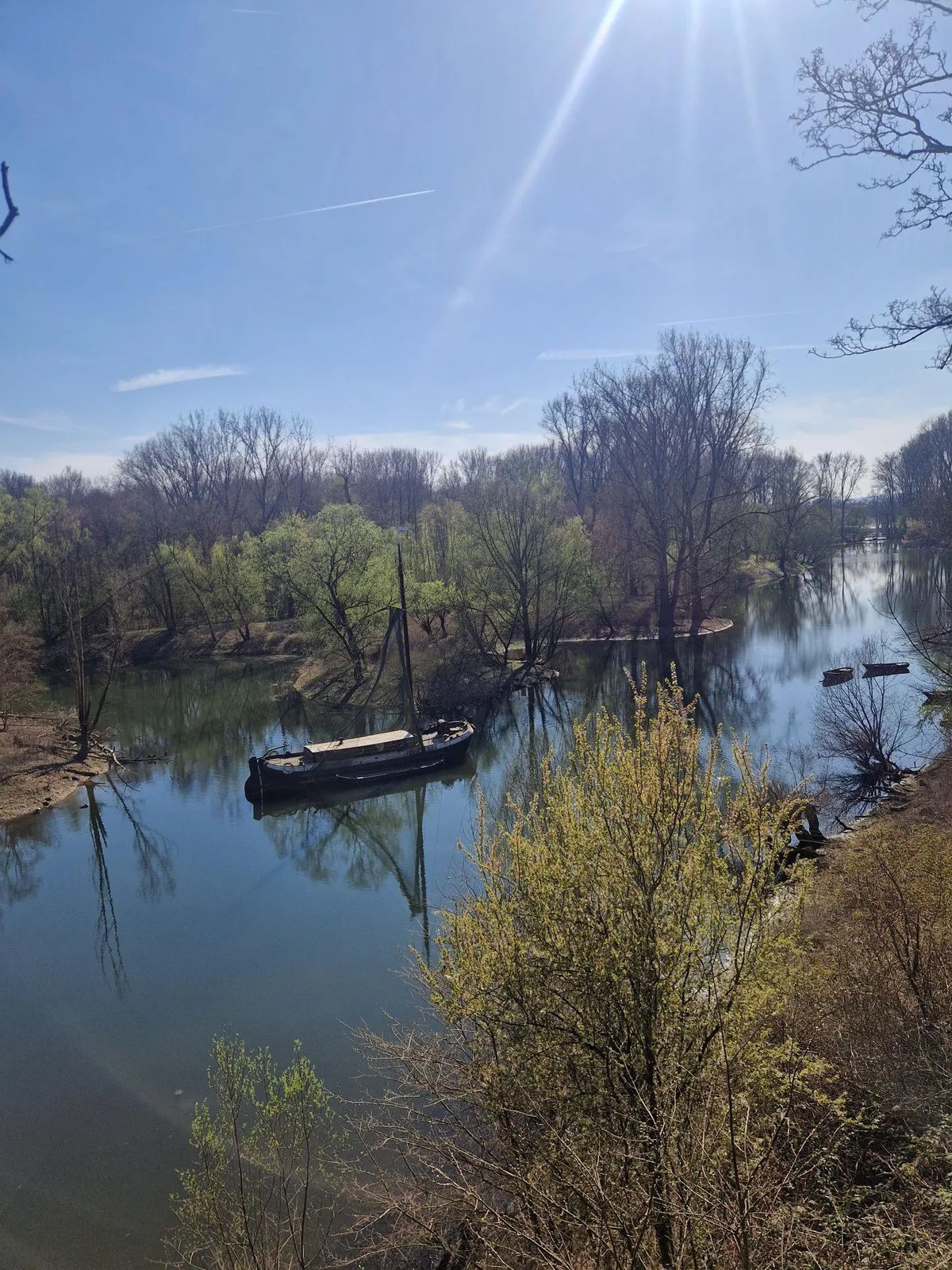
Silence, finally!
Eventually, as the city retreated into the distance, the route became wilder. I stopped for lunch on a small terrace, above a lazy arm of the river, overlooking a small mooring. A place so peaceful that I felt compelled to stop.
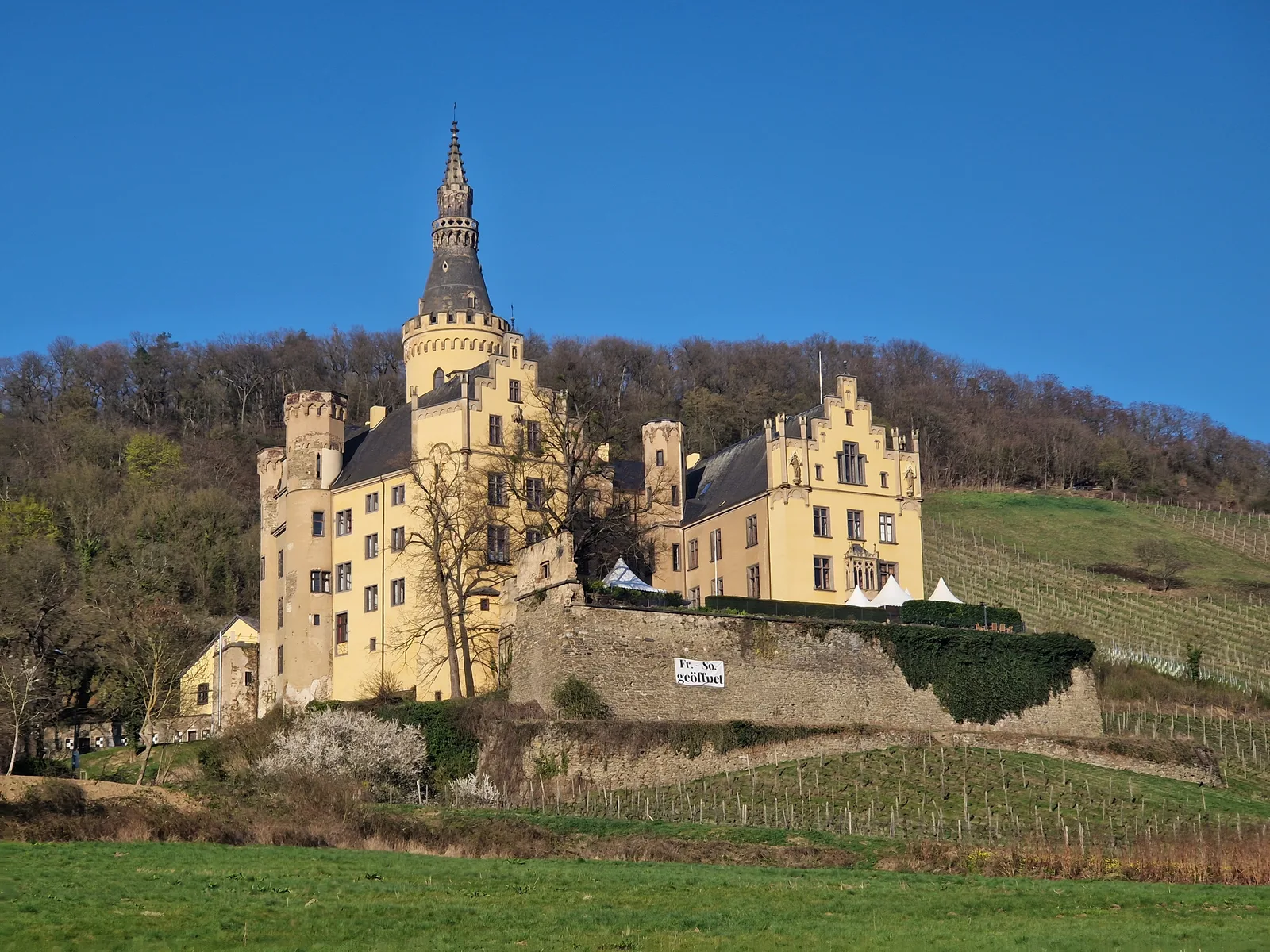
Refreshed with a german beer and Wiener Schnizel (paid for in cash obviously), I rejoined the Rhine, and spent the next hours admiring the castles that dot the hills; protection from invaders foolhardy enough to attempt a crossing of the fast flowing river.
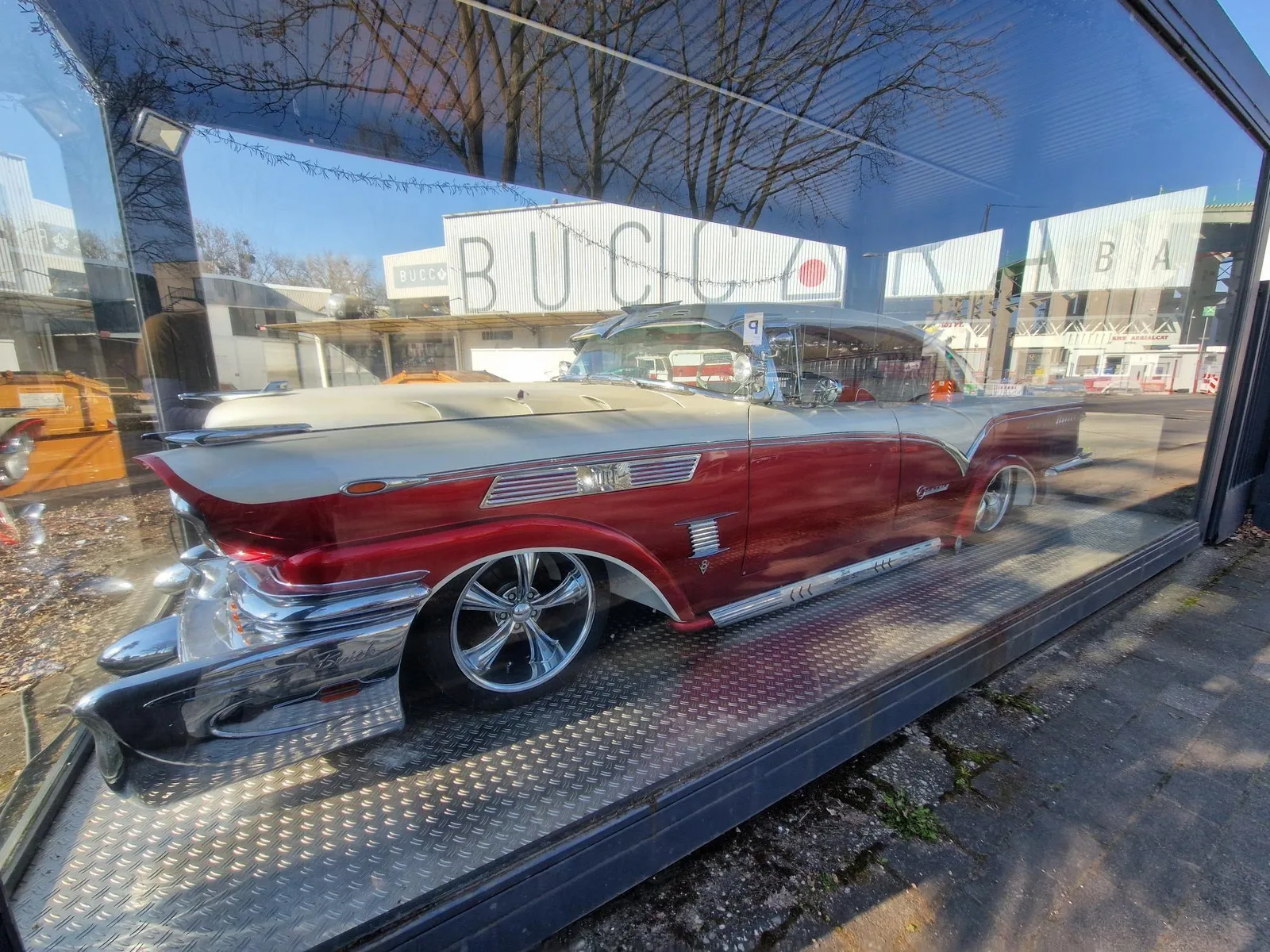
How did that get here?
On a small detour through a town, I noticed a low-rider inside a glass container. I’m not a car guy, but that car was sick. I stopped to take a picture and looked around.
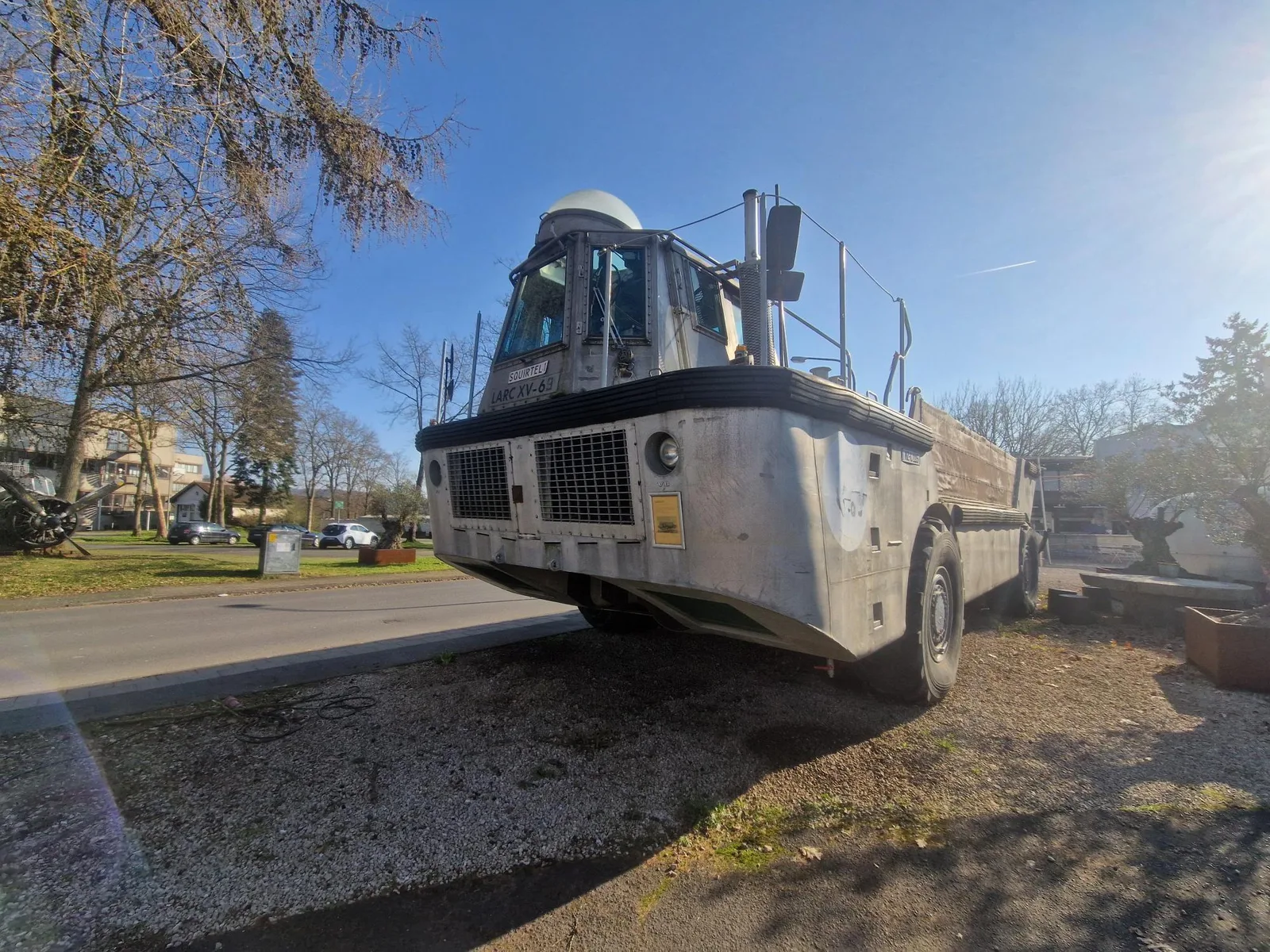
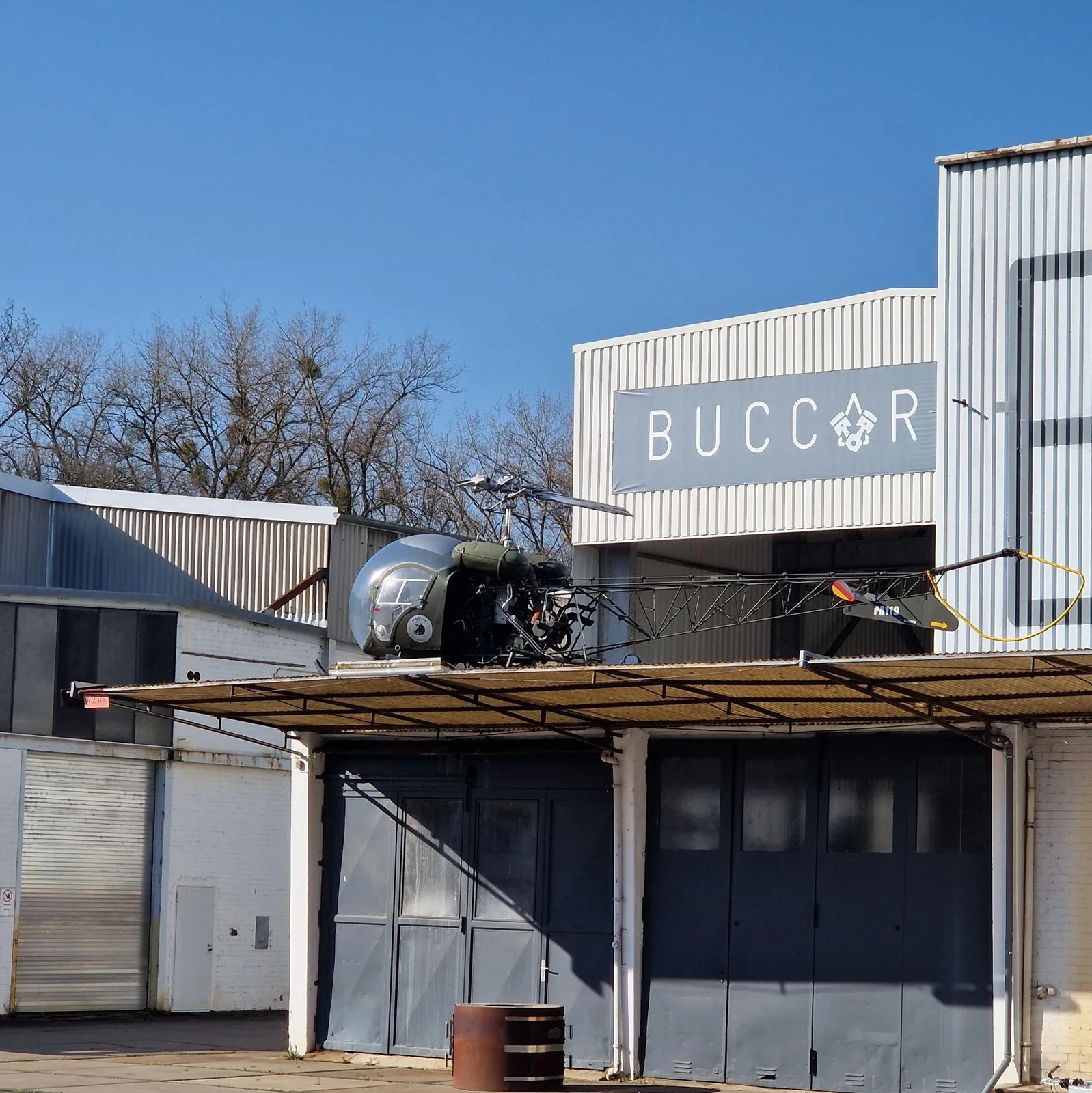
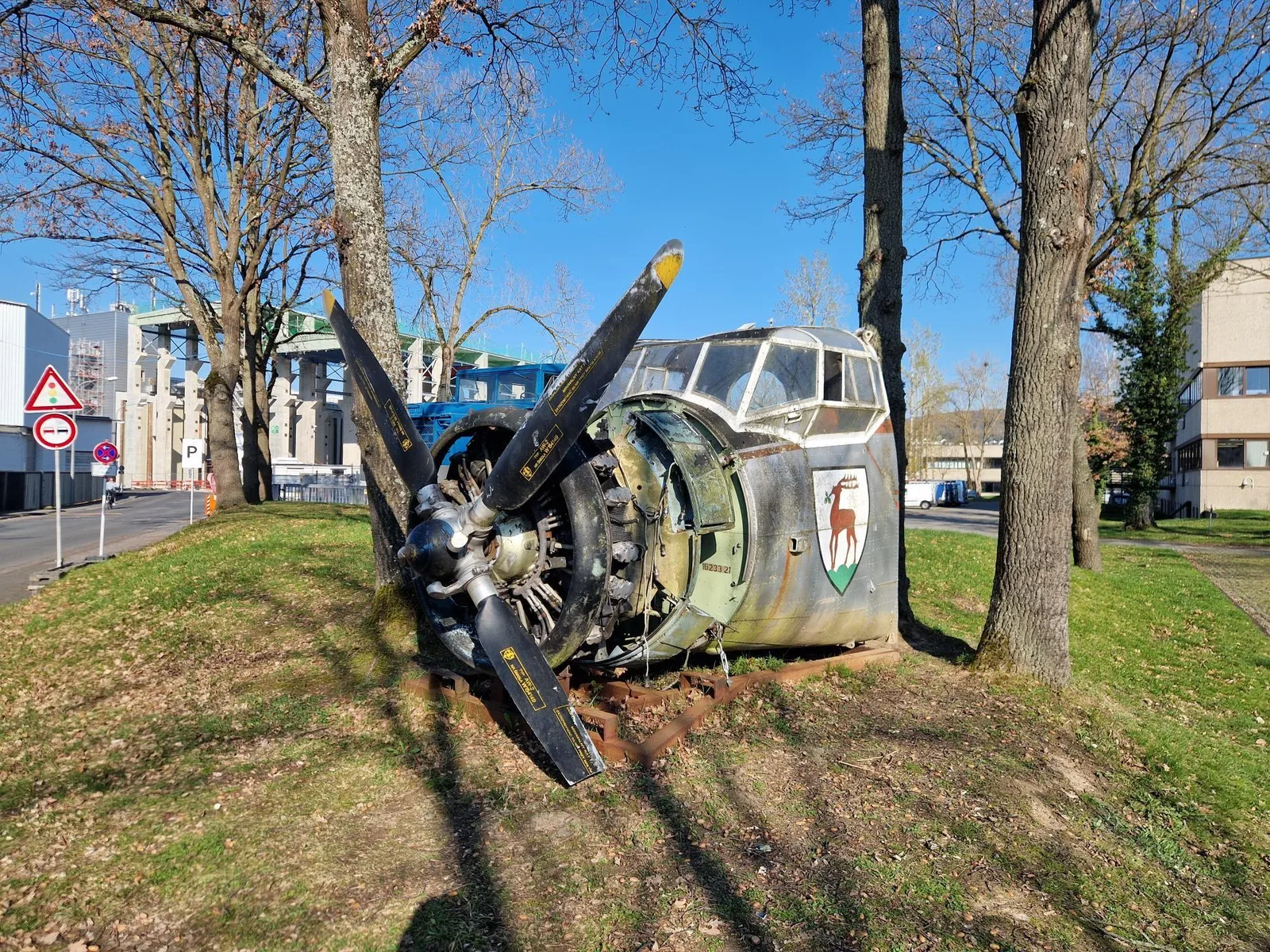
On the roof of a building behind the car was a helicopter, a bit further down the road, a massive amphibious transport, behind me: the cockpit of a Junkers 52, a German transport plane from the second world war.
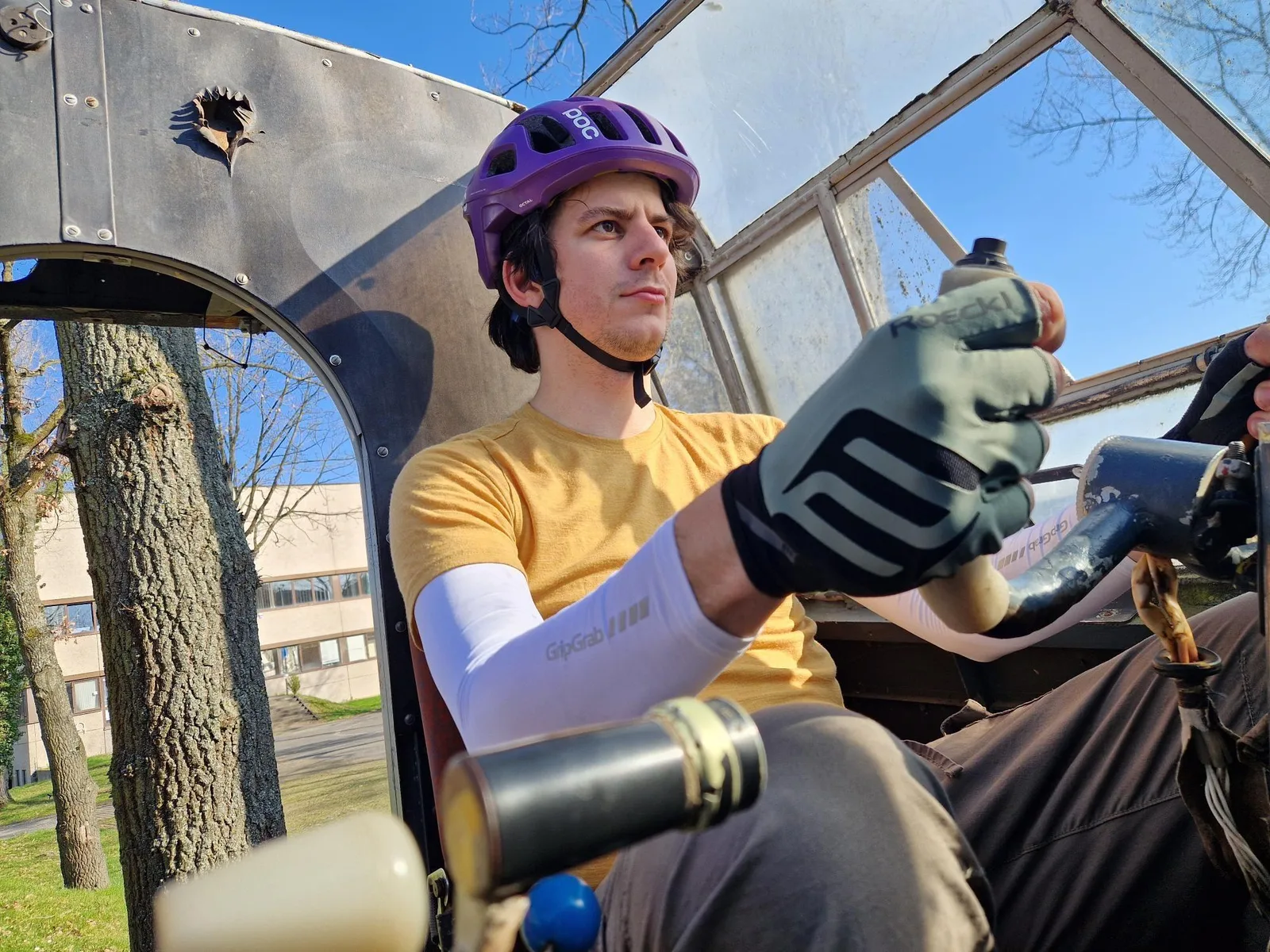
I left my bicycle and spent the next few minutes attempting to take a good selfie in the cockpit.
A detour through history
This would become a theme. I would see something pretty on the side of the road, stop, and take a few pictures. A nice view of the river between houses here, a pretty town gate there, … Very nice, but not the fastest way of getting somewhere.
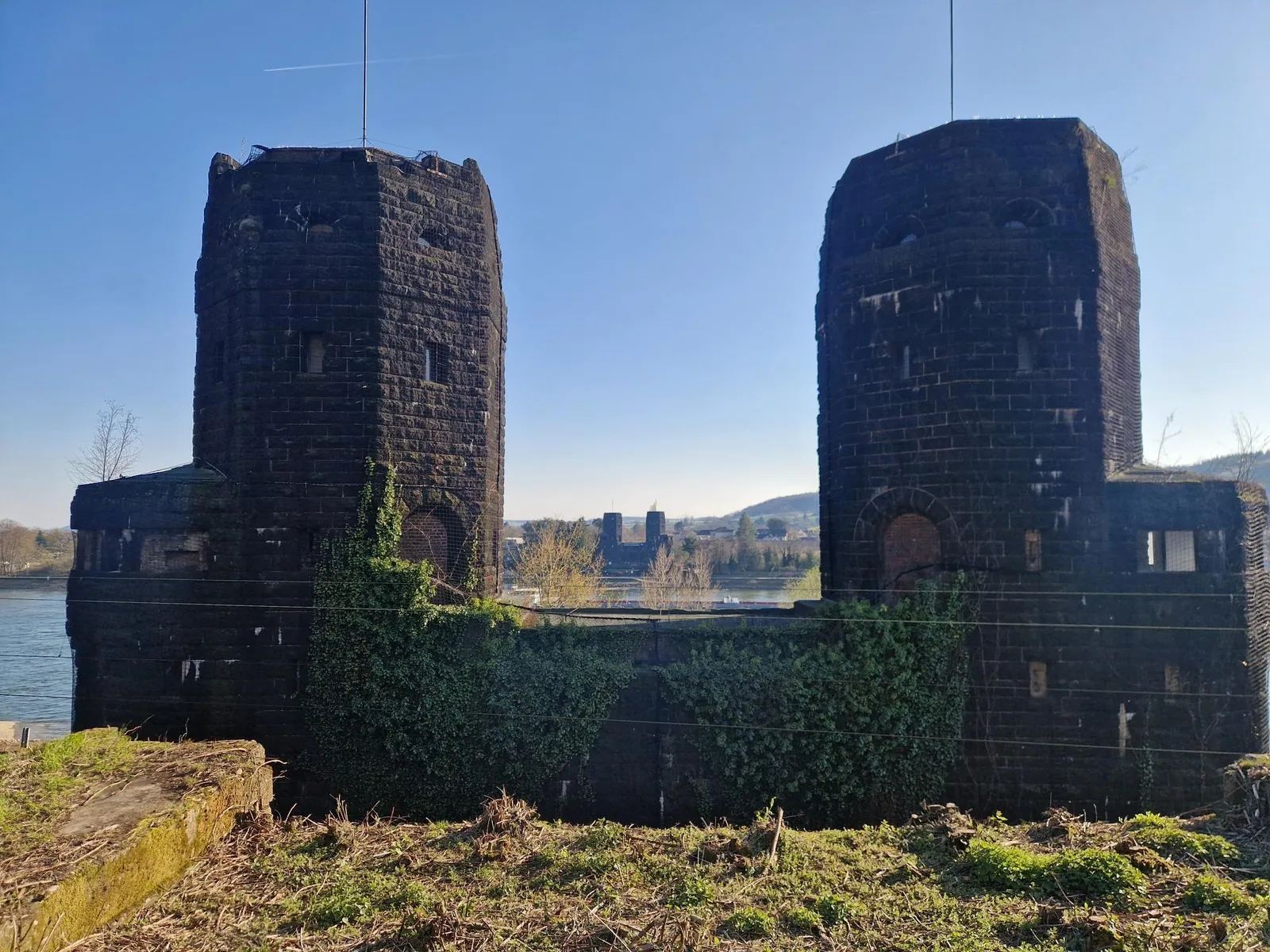
The most notable sight of the day was the Ludendorff Bridger, better known as the “The Bridge at Remagen”. The first intact bridge over the Rhine captured by the allied armies as they pushed deeper into Germany. Over the 10 days in which the bridge stood, the Luftwaffe would attack 367 times, facing the largest concentration of aint-aircraft defences assembled in the war. The american army rushed 100’000 men over the bridge before it finally collapsed, establishing a firm bridgehead on the eastern side of the Rhine.
All that remains of the bridge are the towers at either end, blackened and pockmarked by combat.
Sweet, sweet, sustenance
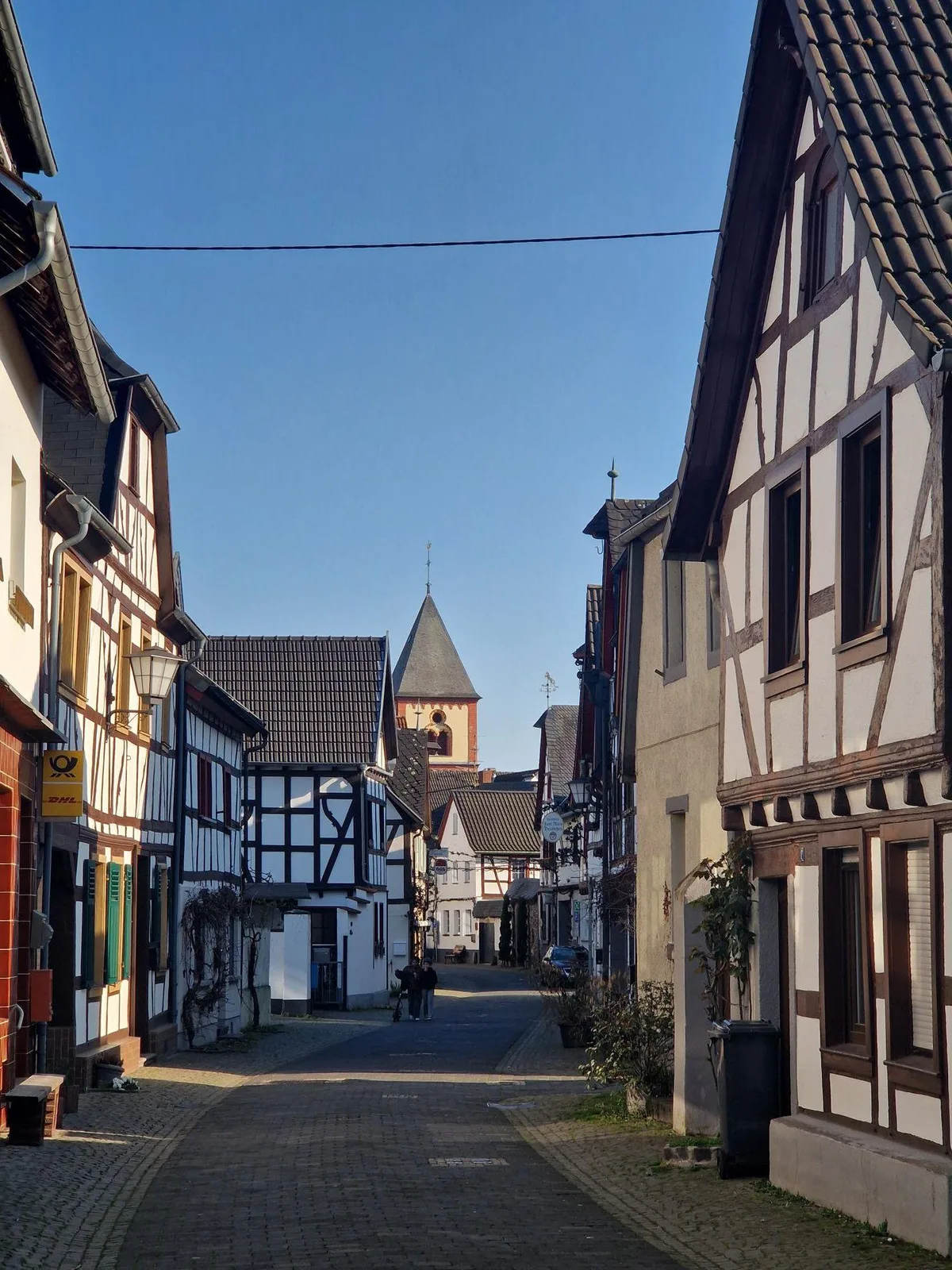
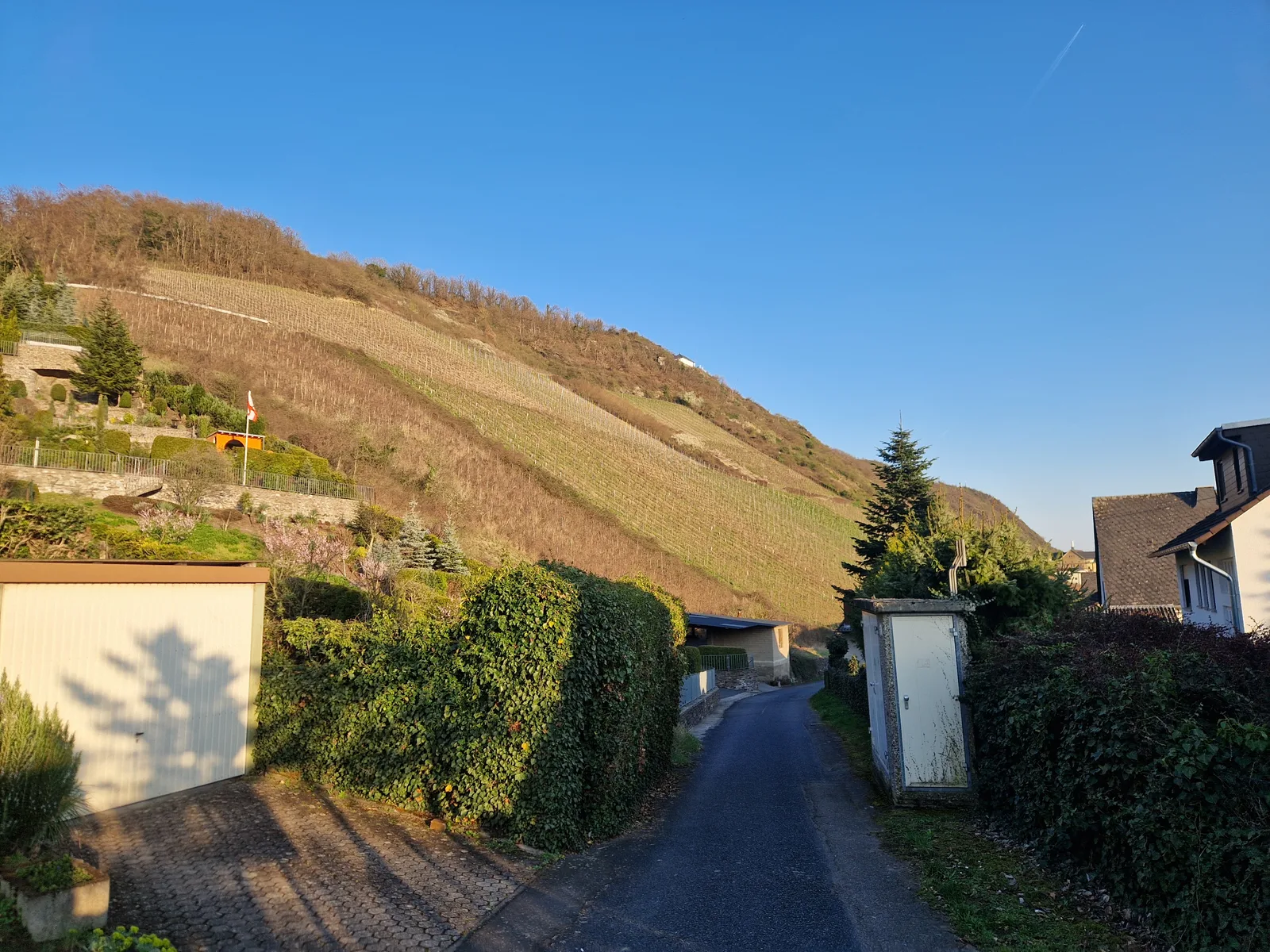
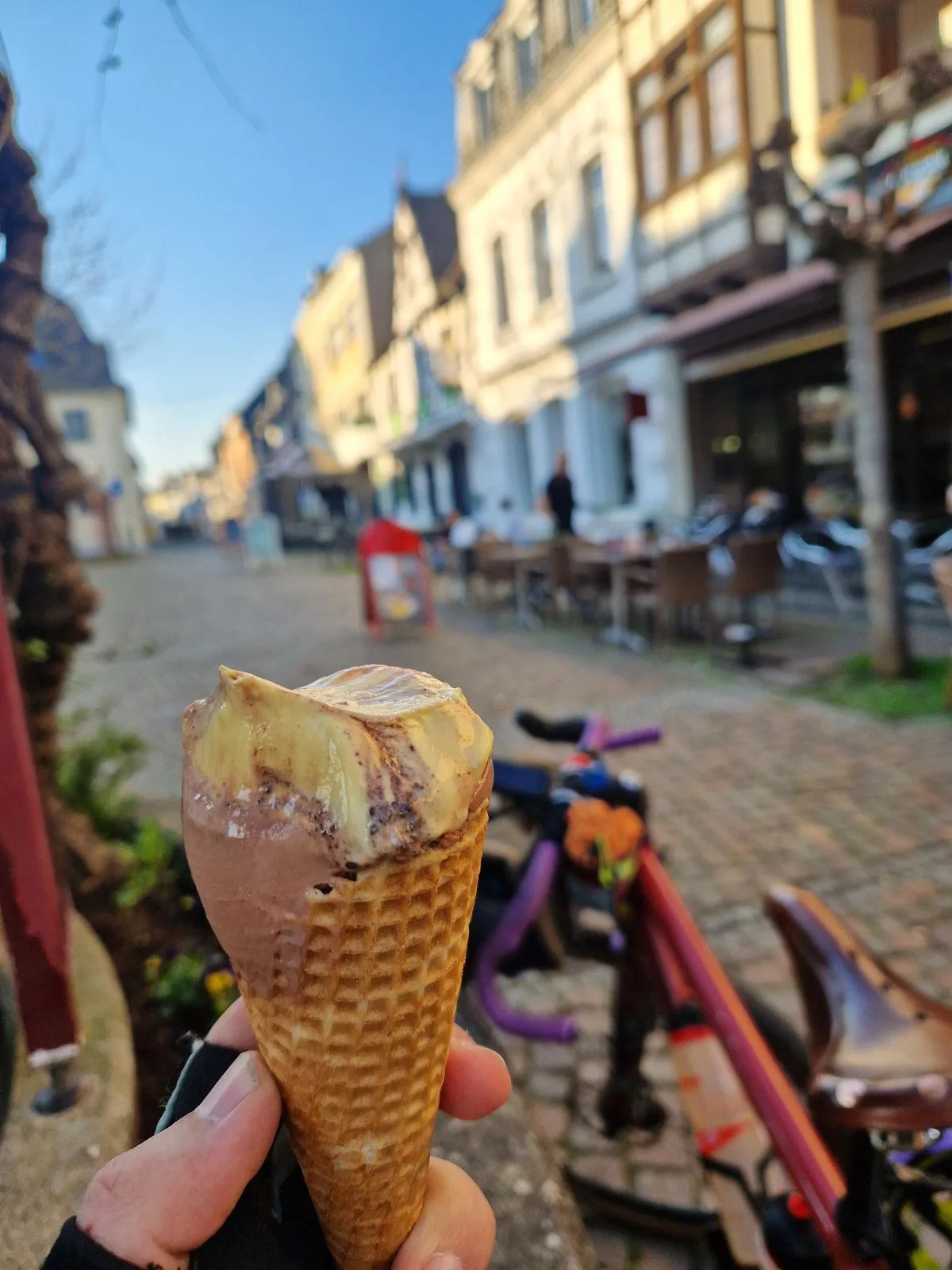
For a ride along a river it was surprisingly hilly. The bicyle path on the eastern bank strays further form the river than it’s western counterpart, often following the base of the hills, tracing a route along the vineyards. Instead of slavishly following the bank, it detours into town, up a hill, and lazily veers down to the bank in a much more varied and engaging manner. A jaunt into town is an opportunity for ice cream, a break to enjoy the local architecture, or just an excuse to sit down on a bench for a minute.
The fender fights back
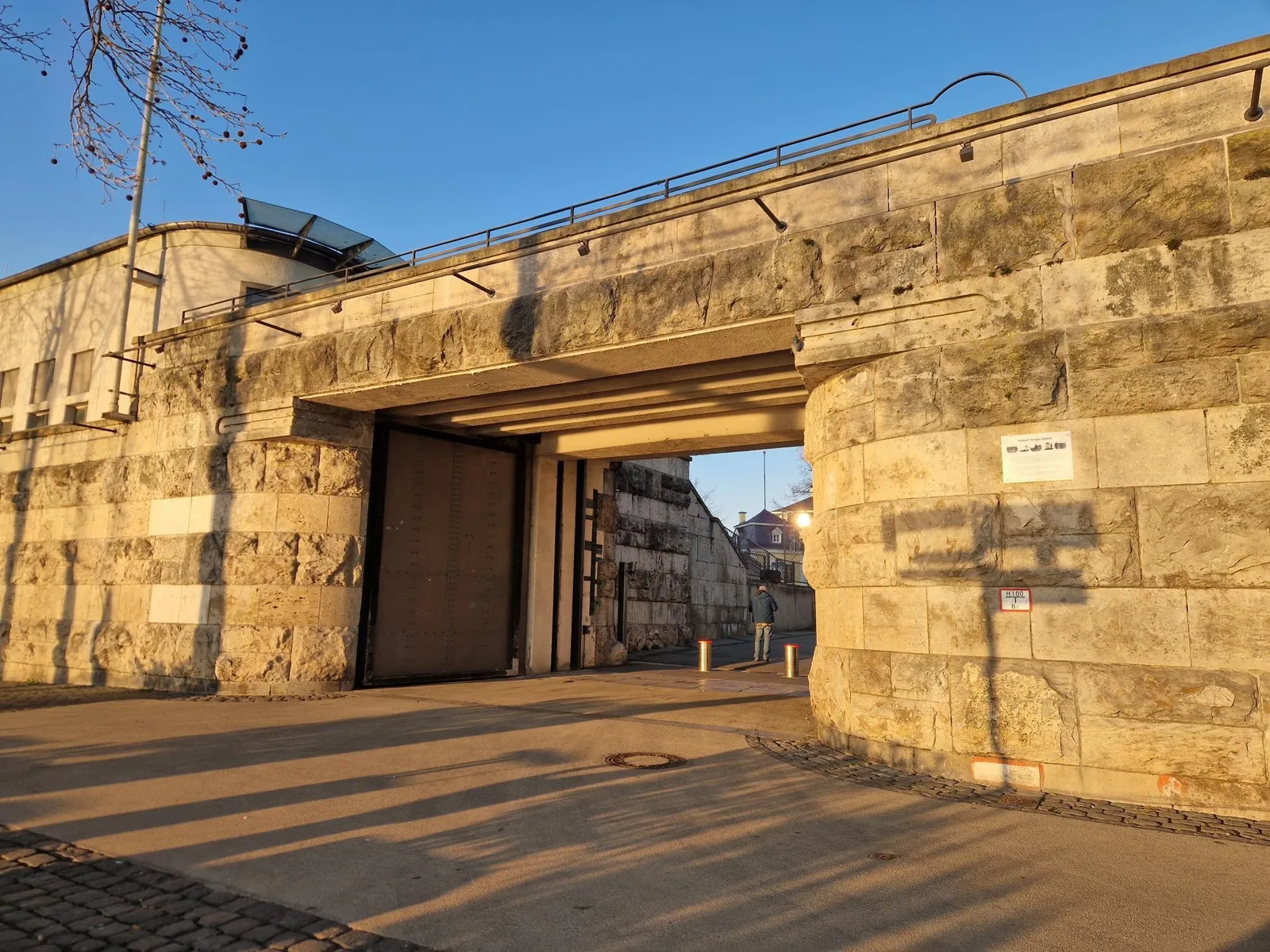
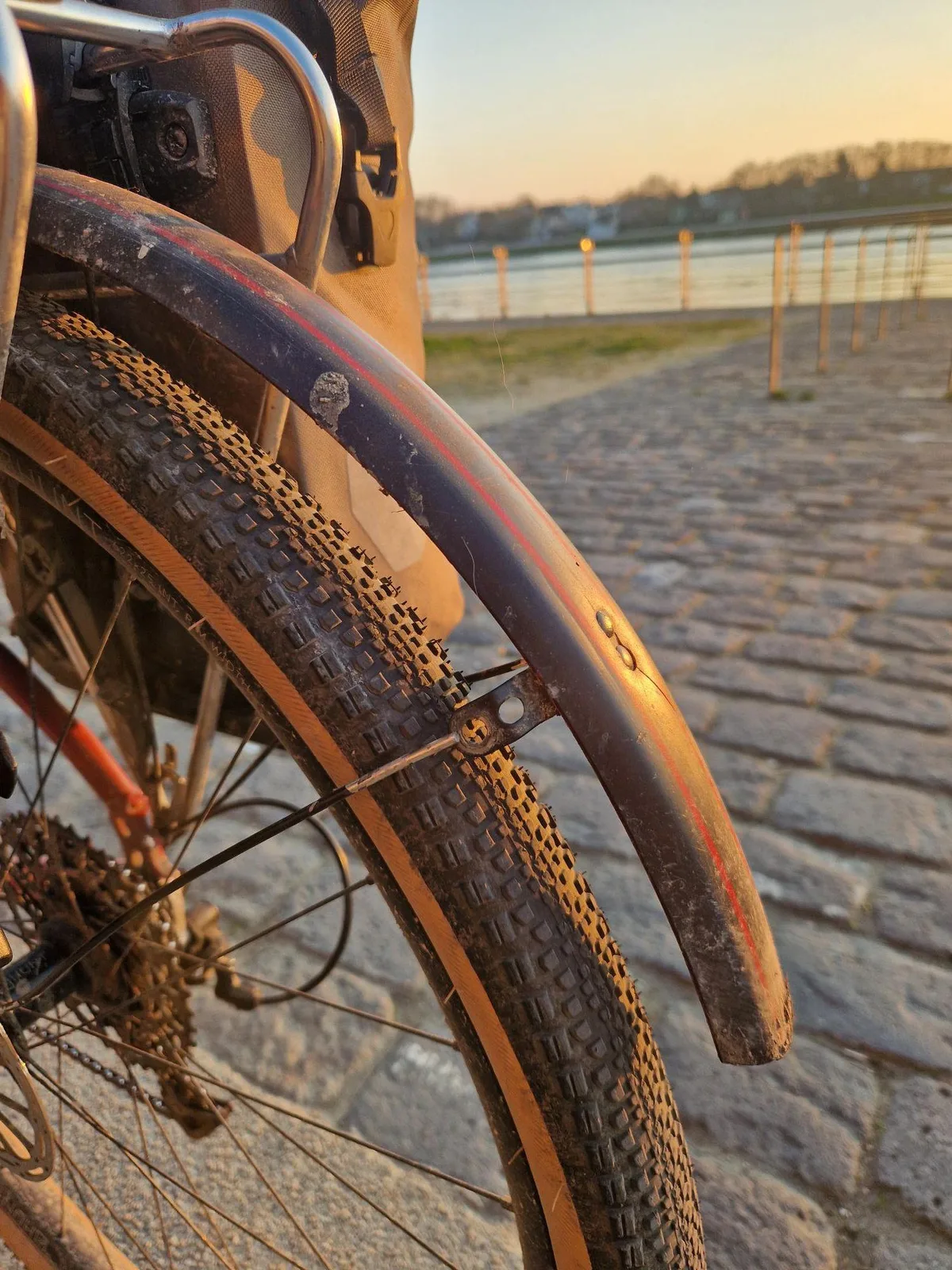
On one such jaunt, after taking a picture of a massive wall, not protecting against invaders, but against flood waters, I heard a new sound coming from the rear of my bicycle. The fender was rubbing. I immediately grew concerned.
The bolt holding the fender in place had vanished. My mechanical issues were back …
I needed to find it. This was a specialty part, not something I could replace in any bike shop. If I could not find it, I might have to cut away half of the fender!
I backtracked. Scanning the path, then I spotted a glint: there it was! I gingerly picked it up and screwed it back in place, tightening it as hard as I could.
Destination reached
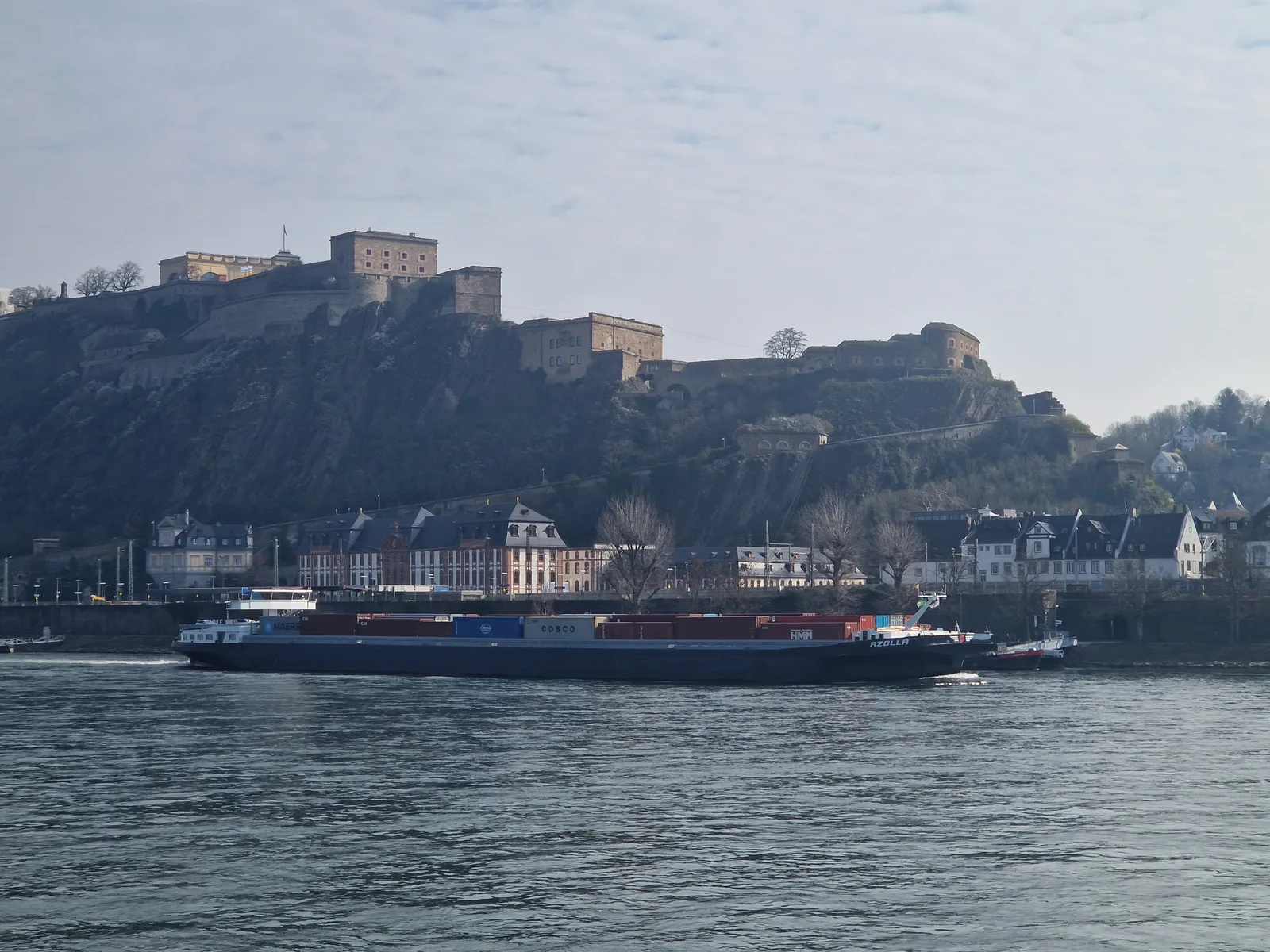
I was back on my way, heading towards by destination: Koblenz.
I arrived as night fell, checked into my hotel, showered, and headed out for food. I would explore tomorrow, when the light returned.
By the numbers
- Ride Started
- 11:01
- Ride Ended
- 19:31
- Distance
- 114 km
- Time Moving
- 5h 47m
- Time Elapsed
- 8h 30m
- Elevation Gained
- 508 m
- Distance so far
- 216 km
- Riding so far
- 11h 27m
- Elevation so far
- 1340 m